

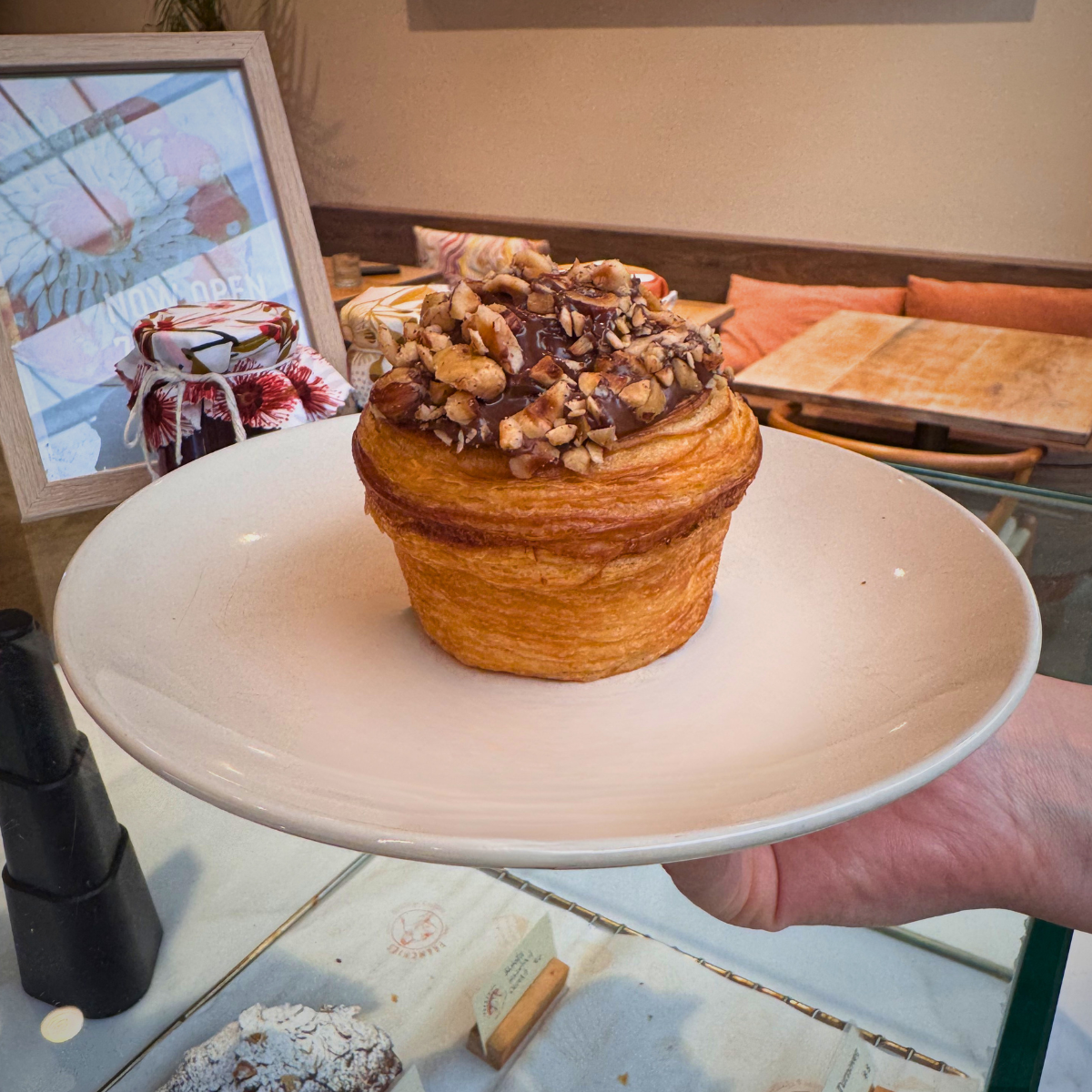
For customers, it means the cake arrives looking the way it did in the display photo, not slumped, smeared, or dried out.
How do they protect cakes from heat and humidity in Sydney?
They manage temperature because Sydney’s weather can swing from cool mornings to hot afternoons. Many use insulated bags, chilled gel packs, and vehicle setups that reduce heat soak during peak hours.
They also plan routes and delivery windows to shorten time outside refrigeration. In higher humidity, they focus on packaging that limits condensation dripping onto buttercream and avoids wrapping methods that trap moisture against the cake surface.
What kind of packaging keeps cupcakes and cakes from drying out?
They use packaging that balances airflow and moisture retention. Too much airflow can dry sponge and frosting, while fully sealed plastic can create condensation that ruins finishes.
For Cupcakes Delivered Sydney, common choices include sturdy cardboard boxes with fitted inserts, cupcake cavities that reduce exposure, and liners that prevent the base from absorbing moisture. For sliced or filled cakes, they often add internal supports and food-safe wraps that reduce moisture loss without fogging decorations.
How do they stop sliding, tipping, and smudged frosting during transport?
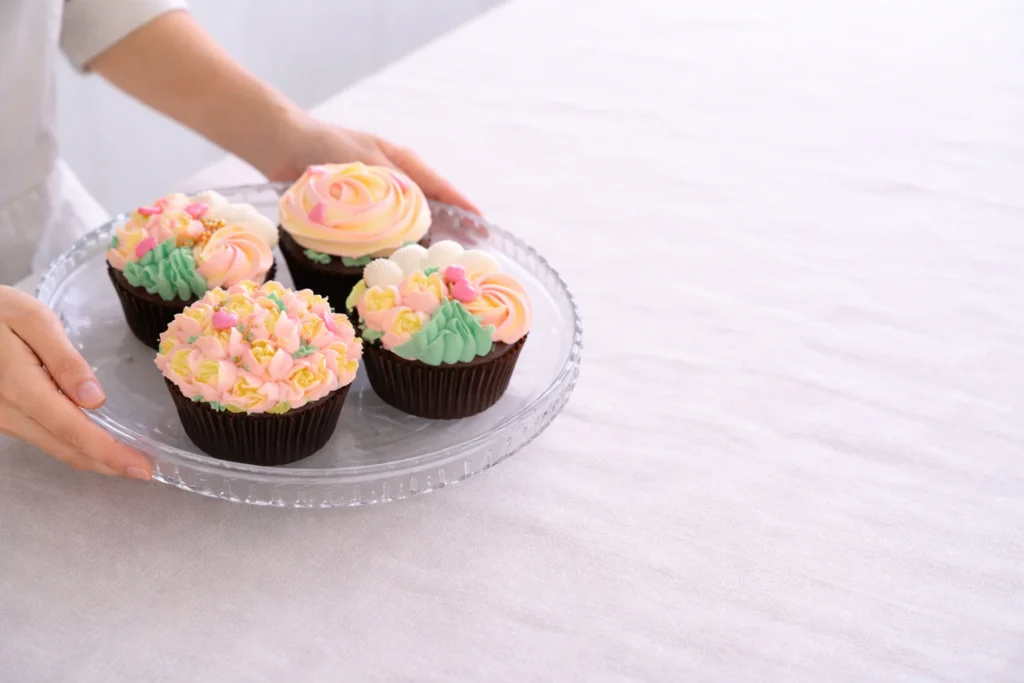
They reduce movement first, then they cushion what remains. Cupcakes are usually placed in snug inserts so each one is held in place, which prevents sideways collisions that smear buttercream.
For larger cakes, they rely on non-slip mats, flat loading surfaces, and careful stacking rules so nothing sits on top of a cake box. Drivers are trained to brake smoothly and avoid sharp turns, because even perfect packaging cannot fix aggressive driving.
How do they keep buttercream, ganache, and fondant stable on the road?
They match the finish to the conditions and travel time. Buttercream softens quickly in heat, ganache can sweat, and fondant can react to humidity, so timing and temperature control matter as much as the recipe.
Many services chill cakes to a safe firmness before dispatch and choose finishes that tolerate transport. They also avoid last-minute delicate elements for long trips, or they pack toppers separately so the cake stays intact and gets assembled on arrival.
How do they handle tall cakes, tiered cakes, and fragile decorations?
They treat structural stability as part of the delivery plan. Tall cakes may be dowelled, supported with boards, and boxed with extra clearance so nothing touches the sides or top.
Tiered cakes are often delivered as separate tiers to reduce risk, then stacked at the venue, especially for longer distances. Fragile items like sugar flowers, wafer paper, and thin chocolate sails are usually transported in separate protective containers and added at the end.
Why do timing and route planning matter for freshness?
They matter because time is the enemy of both texture and appearance. The longer a cake sits in a warm environment, the more likely it is to soften, sweat, or lose definition.
Route planning reduces the total minutes in transit and limits stops that leave boxes in warmer air. Many schedule cake deliveries earlier in the day, avoid peak traffic when possible, and build in a buffer so the cake is not rushed through handling.
How do they keep cakes food-safe while maintaining quality?
They keep food safety and quality aligned by holding cakes at proper temperatures and limiting exposure. Cream-based fillings, fresh fruit, and dairy-heavy frosting can be sensitive, so they use chilled storage before dispatch and maintain cool transport conditions.
They also label allergens, keep products sealed, and reduce cross-contact risk by separating orders. Clean handling, stable boxing, and clear drop-off instructions help ensure the cake arrives safe, fresh, and ready to serve.
What can customers do to help cakes stay fresh after delivery?
They can help by preparing the destination. If the cake is arriving at a venue or home during warm weather, they should clear space in a fridge or a cool, shaded room and keep it away from direct sunlight.
They should also avoid opening the box repeatedly, since warm air and handling can soften frosting. If the cake includes a separate topper box, they should store it safely and add it only when ready to display.
How can someone choose a cupcakes delivered Sydney service that prioritises freshness?
They can look for signs the service is built for delicate transport, not just convenience. A good provider explains delivery windows, packaging, and handling rules, and they ask questions about the cake size, finish, and event timing.
They also share storage instructions and set realistic expectations for extreme heat days. If a service talks clearly about temperature control, sturdy inserts, and careful delivery procedures, it is usually a better bet for a cake that arrives fresh and photo-ready.

FAQs (Frequently Asked Questions)
How do cupcakes delivered Sydney services keep cakes fresh during transit?
Cupcakes delivered Sydney services maintain cake freshness by controlling temperature, limiting movement, and using specialized packaging that protects the cake’s structure and moisture, ensuring it arrives looking as perfect as in the display photo.
What packaging methods prevent cupcakes and cakes from drying out during delivery?
They use packaging that balances airflow and moisture retention, such as sturdy cardboard boxes with fitted inserts, cupcake cavities to reduce exposure, liners to prevent moisture absorption at the base, and internal supports with food-safe wraps for sliced or filled cakes to maintain freshness without fogging decorations.
How do delivery services prevent sliding, tipping, and smudged frosting on cakes in transit?
Delivery services reduce movement by placing cupcakes in snug inserts to prevent collisions, use non-slip mats and flat surfaces for larger cakes, follow careful stacking rules to avoid placing items on top of cake boxes, and train drivers to brake smoothly and avoid sharp turns to protect delicate frosting finishes.
What strategies are used to keep buttercream, ganache, and fondant stable during cake delivery in Sydney?
Services match cake finishes to travel conditions by chilling cakes before dispatch for firmness, selecting finishes tolerant to transport conditions, avoiding delicate last-minute elements for long trips, and packing toppers separately so they can be assembled upon arrival, thus maintaining stability of buttercream, ganache, and fondant.
How are tall cakes, tiered cakes, and fragile decorations handled during delivery?
Structural stability is prioritized by dowelling tall cakes with board supports and boxing them with extra clearance; tiered cakes are often delivered as separate tiers for safer transport then stacked onsite; fragile decorations like sugar flowers or chocolate sails are transported separately in protective containers and added just before display.
Why is timing and route planning crucial for maintaining cake freshness in delivery?
Timing and route planning minimize the total time a cake spends outside refrigeration or cool environments. By scheduling deliveries earlier in the day, avoiding peak traffic, shortening transit times, and limiting stops that expose the cake to warm air, services help preserve texture and appearance for a fresh arrival.
Releated 10 Cupcake Delivery Sydney Options That Actually Deliver Fresh Daily