

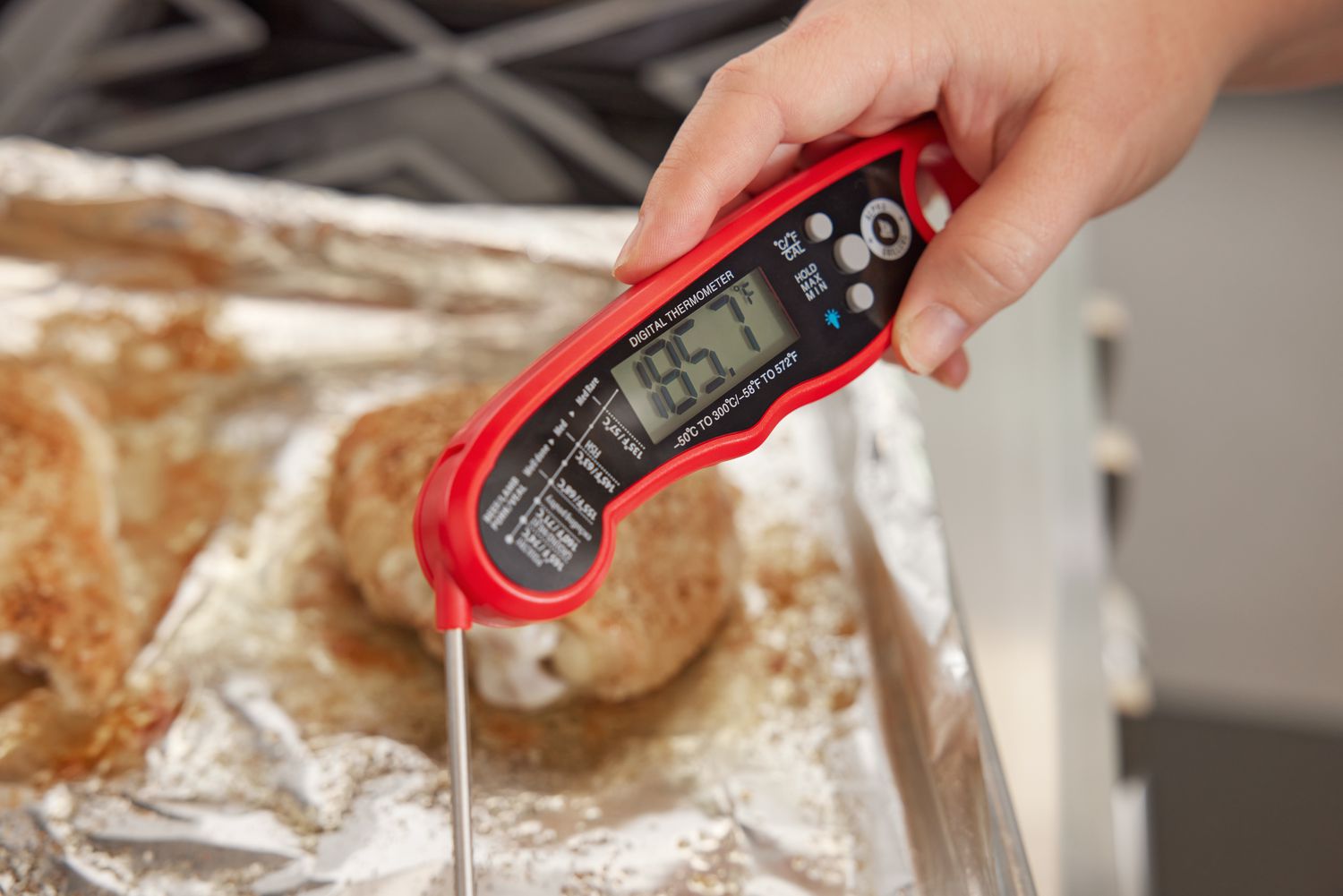
This guide explains what the danger zone is, why it matters, and how food businesses can monitor it in day-to-day operations.
What is the temperature danger zone?
The temperature danger zone is the range where harmful bacteria grow most quickly in food. In many food safety systems, it’s broadly treated as 5°C to 60°C (41°F to 140°F), though local regulations may define it slightly differently.
Food businesses aim to keep cold food cold and hot food hot, minimizing the time food spends between those limits.
Why does the danger zone matter so much?
It matters because time plus the wrong temperature creates the ideal conditions for pathogens to grow. Even food that looks and smells fine can become unsafe if it has been held or cooled incorrectly.
Beyond health risks, a food service temperature monitoring system can help prevent more waste, failed inspections, customer complaints, and reputational damage.
Which foods are most at risk in the danger zone?
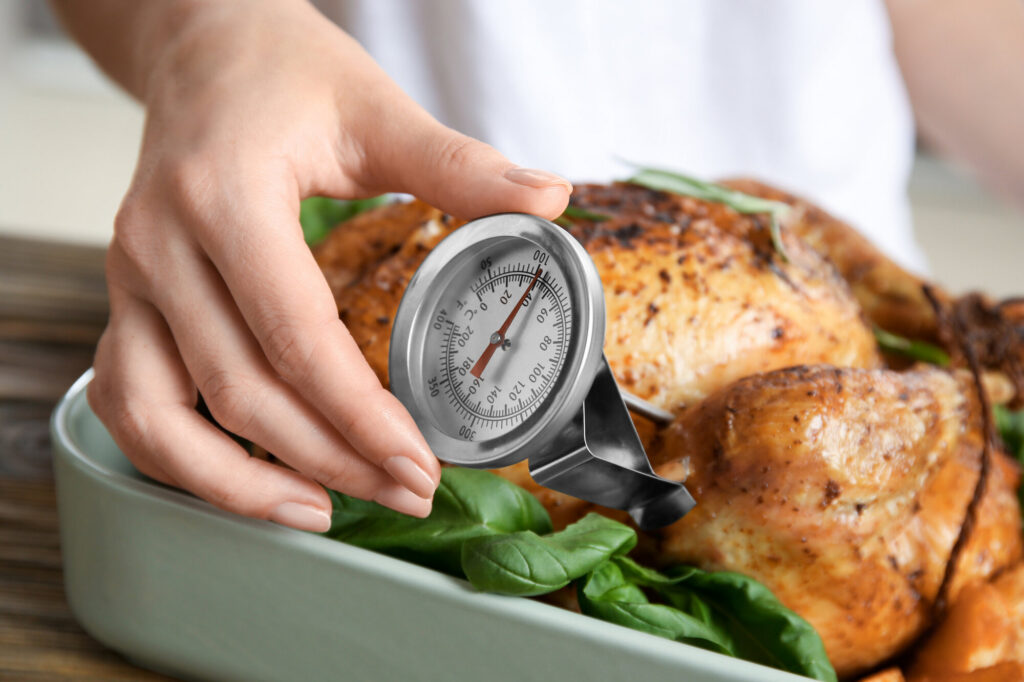
The highest-risk items are typically ready-to-eat and high-protein, high-moisture foods. That includes cooked meats, poultry, fish, dairy, cooked rice, pasta, gravies, soups, sauces, and prepared salads.
Food businesses should treat any product that supports bacterial growth as a priority for strict time-and-temperature monitoring.
How long can food stay in the danger zone?
Most food safety programs use a simple rule: limit time in the danger zone as much as possible, often with a maximum cumulative window (commonly around 2 hours for caution and 4 hours as an absolute limit in some guidance). The exact thresholds depend on local laws and the business’s HACCP plan.
What matters operationally is that they track not just a single event, but total exposure during prep, holding, transport, and service.
What are safe temperature targets for cold holding and hot holding?
Cold holding generally targets 5°C / 41°F or below, while hot holding targets 60°C / 140°F or above. Those targets keep food out of the main growth range and simplify decision-making during busy periods.
Food businesses typically build these targets into SOPs, labels, and holding checks so staff do not rely on memory alone.
How should food businesses cool food safely?
They should cool food quickly so it spends minimal time in the danger zone. Common best practices include portioning into shallow pans, using blast chillers where available, stirring liquid foods, and leaving space for airflow in refrigerators.
They also avoid cooling large, dense batches in deep containers, since the center can stay warm for hours even when the outside feels cold.
How can food businesses reheat food without increasing risk?
They reheat rapidly to a safe internal temperature, then hold it hot. Slow reheating is risky because it keeps food in the danger zone for longer, which gives bacteria time to multiply.
In practice, businesses usually set reheating procedures by item type and equipment, and they verify with a calibrated probe thermometer rather than guessing.
What monitoring systems work best in real kitchens?
The best systems are simple enough to survive a rush and strict enough to stand up in an audit. Many kitchens combine scheduled manual checks with digital logging, especially for fridges, freezers, hot holding units, and delivery temperatures.
They also standardize who checks what, when it gets recorded, and what the corrective action is if a reading fails.
Which thermometers and tools should they rely on?
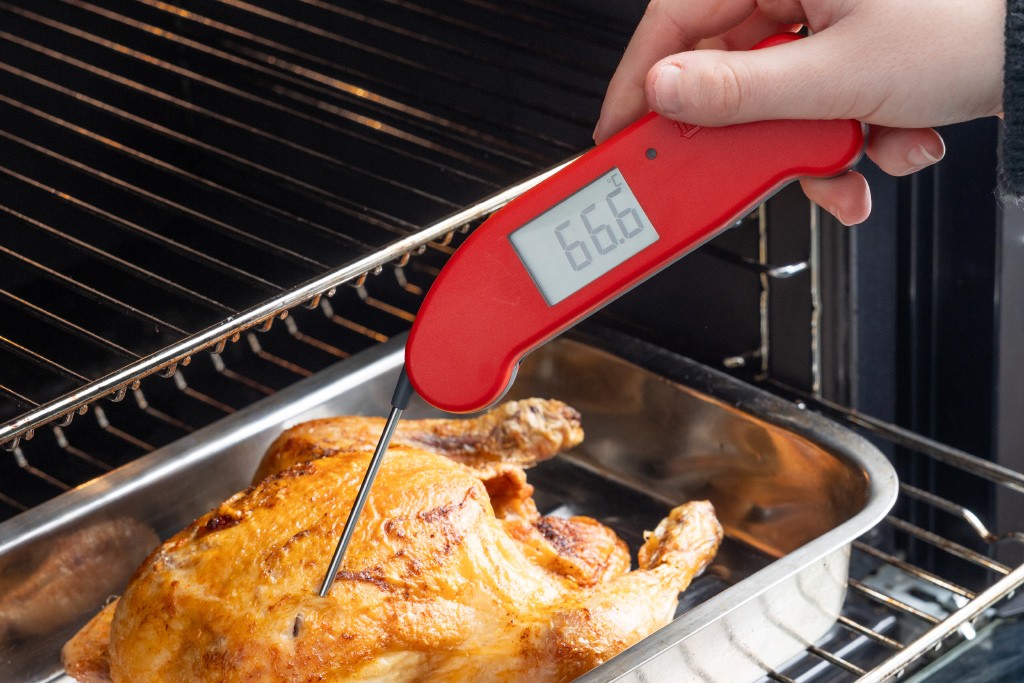
They rely on calibrated probe thermometers for internal temperatures and use infrared thermometers only as a quick surface screen, not as a replacement. Fridge and freezer units often use built-in displays, but those are still verified with independent readings.
They also keep spare probes, sanitizer wipes, and calibration tools accessible, because missing equipment is a common reason checks get skipped.
What corrective actions should happen when temperatures fall into the danger zone?
They act immediately and document the response. Typical corrective actions include rapidly reheating, rapidly cooling, moving food to working equipment, discarding items that exceed time limits, and isolating affected batches to prevent accidental service.
The key is consistency: staff should not debate each incident from scratch. A short decision tree or chart near prep and holding areas usually prevents delays and confusion.
How can they reduce risk during deliveries and transport?
They check receiving temperatures on arrival and avoid leaving deliveries at ambient temperature during busy intake periods. Insulated containers, gel packs, and controlled vehicles help, but verification still matters because packaging can hide warm spots.
They also define acceptance criteria in supplier agreements so staff can reject unsafe deliveries confidently.
How do they train staff so the system actually gets followed?
They tie training to the real workflow, not just policy. That means showing staff where the danger zone appears in their station’s tasks, what “good” looks like, and what to do when equipment fails or service runs late.
They also refresh training regularly and spot-check technique, since unsafe habits often return when teams get busy or turnover increases.
What should food businesses document for inspections and audits?
They document temperature logs, corrective actions, calibration records, and any maintenance issues affecting cold or hot holding. Inspectors typically want to see not only that checks exist, but that the business responds when something goes wrong.
Clear, consistent records also help management identify patterns, such as one fridge trending warm during peak hours.
How can they build a simple daily danger zone checklist?
They keep it short: opening checks, mid-shift checks, and closing checks for key units and high-risk items. A good checklist specifies the target temperature, the acceptable range, the action if it fails, and who signs off.
When it’s designed well, it becomes a routine rather than an extra task, and it reduces both risk and waste. Click here to get more about : What Is Food Safety Compliance and Why Does It Matter for Growth?
What is the main takeaway for food businesses?
They should treat the temperature danger zone as a daily operational control, not a theoretical concept. Keeping food out of 5°C to 60°C (41°F to 140°F) as much as possible, monitoring consistently, and acting fast on failures is what protects customers and keeps the business compliant.
FAQs (Frequently Asked Questions)
What is the temperature danger zone in food safety?
The temperature danger zone refers to the range between 5°C to 60°C (41°F to 140°F) where harmful bacteria grow most rapidly in food. Food businesses aim to keep cold foods below 5°C and hot foods above 60°C to minimize bacterial growth and ensure safety.
Why is controlling the temperature danger zone critical for food businesses?
Controlling the temperature danger zone is essential because time spent within this range allows pathogens to multiply quickly, increasing the risk of foodborne illnesses. Proper temperature control also prevents waste, failed inspections, customer complaints, and protects a business’s reputation.
Which types of foods are most vulnerable to bacterial growth in the danger zone?
Ready-to-eat, high-protein, and high-moisture foods such as cooked meats, poultry, fish, dairy products, cooked rice, pasta, gravies, soups, sauces, and prepared salads are most at risk. These items require strict monitoring of time and temperature to prevent bacterial proliferation.
How long can food safely remain within the temperature danger zone?
Most food safety guidelines recommend limiting cumulative time in the danger zone to no more than 2 hours for caution and an absolute maximum of 4 hours. This includes all periods during preparation, holding, transport, and service. Exact limits may vary based on local regulations and HACCP plans.
What are best practices for cooling and reheating food safely?
To cool food safely, businesses should cool it rapidly by portioning into shallow pans, using blast chillers if available, stirring liquids, and allowing airflow in refrigerators while avoiding deep containers that retain heat. For reheating, food should be heated quickly to a safe internal temperature using calibrated probe thermometers and then held hot above 60°C to minimize time in the danger zone.
How can food businesses effectively monitor temperatures to ensure safety and compliance?
Effective monitoring combines scheduled manual checks with digital logging for fridges, freezers, hot holding units, and deliveries. Using calibrated probe thermometers for internal temperatures is essential. Standardizing who performs checks, when they occur, recording results accurately, and having clear corrective actions ensures consistent compliance even during busy operations.