

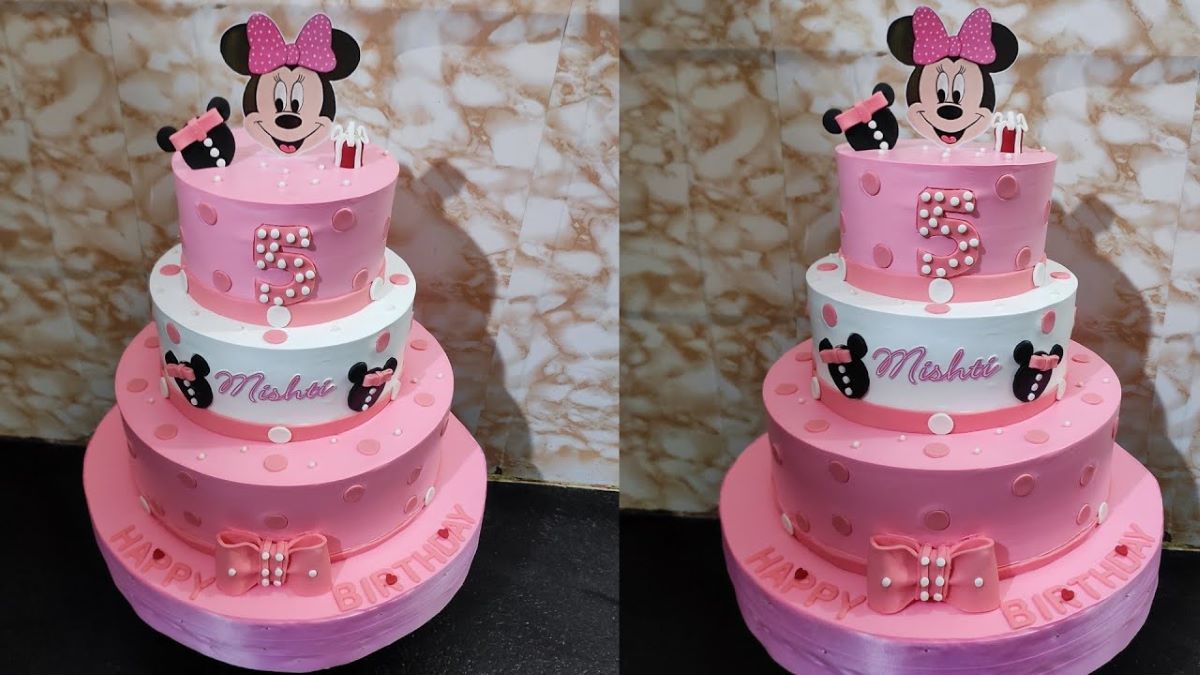
This guide focuses on simple design choices that make a familiar character cake feel personal and one of a kind.
What makes a Minnie Mouse cake feel genuinely unique?
It feels unique when a minnie mouse cake treats Minnie as a “feature”, not the whole plan. A clear concept leads the design, and Minnie’s bow, ears, and dots support it.
The quickest way to do this is to pick one fresh twist: a different palette, a different shape, or a different texture. Then keep everything else clean so the twist reads clearly.
Which party details should they steal for the cake design?
They should borrow from the invitation, outfit, or room styling first. Those details already define the event and make the cake feel like it belongs.
Useful details include: two key colours, a pattern (gingham, florals, stars), a motif (bows, daisies, hearts), and a vibe (vintage, glam, pastel, modern). Even a favourite toy or hobby can become the accent that replaces generic polka dots.
How can they choose a colour palette that isn’t the standard red-and-black?
They can keep Minnie recognisable while swapping the palette. Minnie reads as Minnie with ears, a bow, and a hint of dots, even when the colours change.
Good alternatives include blush and gold for a soft look, lilac and silver for a cool modern feel, sage and cream for a “garden” theme, or monochrome with one pop colour. If they use a new palette, they should repeat it in three places on the cake so it looks deliberate.
What cake shape options make the design stand out?
A different silhouette is one of the easiest ways to look custom. It changes the whole impression before anyone sees the decorations.
They can choose a tall single-tier with clean sides, a heart-shaped cake, a two-tier with a smaller top tier, or a number cake topped with Minnie details. Another simple option is a round cake with a bold bow topper that adds height and drama without extra piping. Click here to learn more about Modern Baptism Cakes Sydney: 9 Styles Parents Love.
How can they personalise it without making it look cluttered?
They should personalise with one hero element, not five. A single custom detail looks more premium than lots of small add-ons.
Strong options include the name in a matching font, the age on a bow tag, an edible image styled like a “cameo”, or a small topper that matches the birthday outfit. Keeping the sides clean and the message short helps the design feel intentional.
How do they make Minnie details look “designed” rather than stuck on?
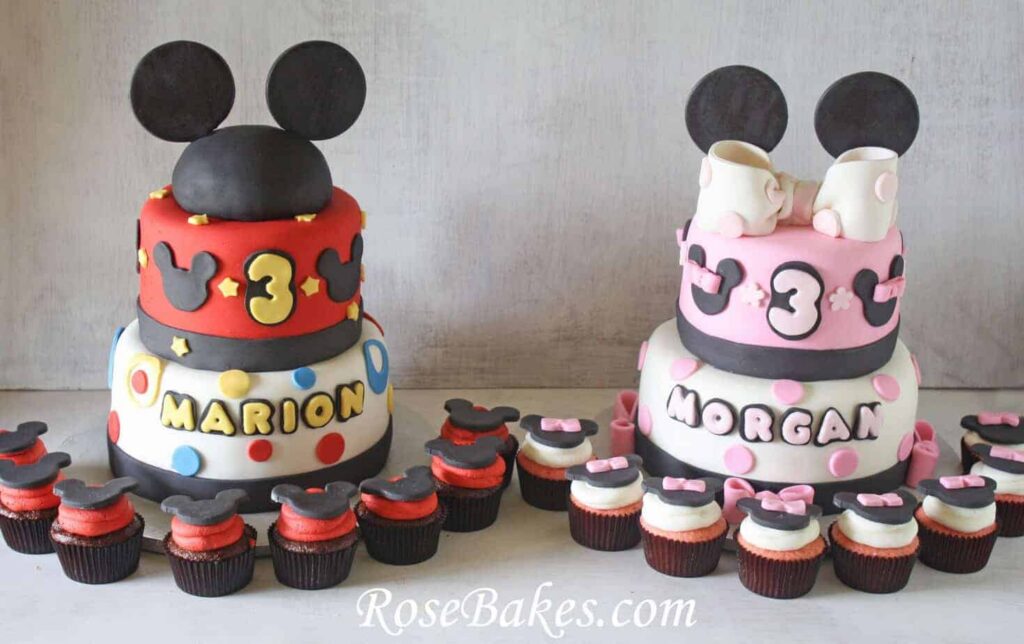
They should integrate Minnie’s elements into the composition. When the ears and bow align with the cake’s structure, it looks planned.
For example, ears can sit slightly back on the top edge instead of dead centre. The bow can be angled, textured, or layered. Polka dots can fade out like confetti, wrap in a neat band, or appear only on the top surface for a modern finish.
Which textures and finishes make the cake look more premium?
They can upgrade the look with texture instead of more decorations. Texture catches light and photographs better, which instantly reads as “special”.
Popular finishes include sharp-edge buttercream, subtle ombré, painted brush strokes, velvet spray, wafer-paper ruffles, or a fondant bow with stitched detailing. Even a simple cake can look bespoke with one refined texture choice and neat edges.
How can they build a theme around Minnie without using licensed character images?
They can use Minnie-inspired symbols rather than full character prints. Ears, bows, gloves, dots, and classic silhouettes can suggest Minnie without turning the cake into a poster.
A “fashion” theme works well: a bow as the centrepiece, a ribbon border, and a mini handbag topper. A “tea party” theme can use delicate florals and a small ear silhouette on a plaque. This approach often looks more grown-up and unique. You may like to visit https://www.news.com.au/lifestyle/food/tastecomau-reveals-most-popular-birthday-cakes-for-aussie-kids/news-story/27820b6d36d374ffd1dea3052d5a8ee1 to learn more about most popular birthday cakes for kids revealed.
What are a few unique design concepts they can copy quickly?
They can start from a ready concept and adjust colours and details to suit the party. The goal is a clear idea with simple execution.
- Vintage polka dot: ivory base, muted dots, piped pearls, dusty pink bow.
- Modern minimal: smooth black or blush buttercream, tiny dots only on top, acrylic name topper.
- Garden Minnie: sage or cream base, sugar daisies, ear silhouette plaque, gingham ribbon.
- Glam: white base, gold splatter, structured bow, large number topper.
- Pastel confetti: ombré sides, scattered dots in three pastel shades, small ear topper.
How do they plan the design so it survives transport and party time?
They should choose designs that match the weather, travel time, and skill level. A stable plan prevents last-minute fixes that make the cake look messy.
Buttercream is best kept cool, and tall toppers should be supported with food-safe dowels or straws. Heavy ears and bows should sit on a firm base, such as fondant or modelling chocolate. If travel is long, keeping the design simpler and cleaner often looks better than ambitious extras.
What’s the simplest checklist to make it feel one-of-one?
They should decide on the concept before they start decorating. A short checklist keeps the design cohesive and prevents the “everything Minnie” look.
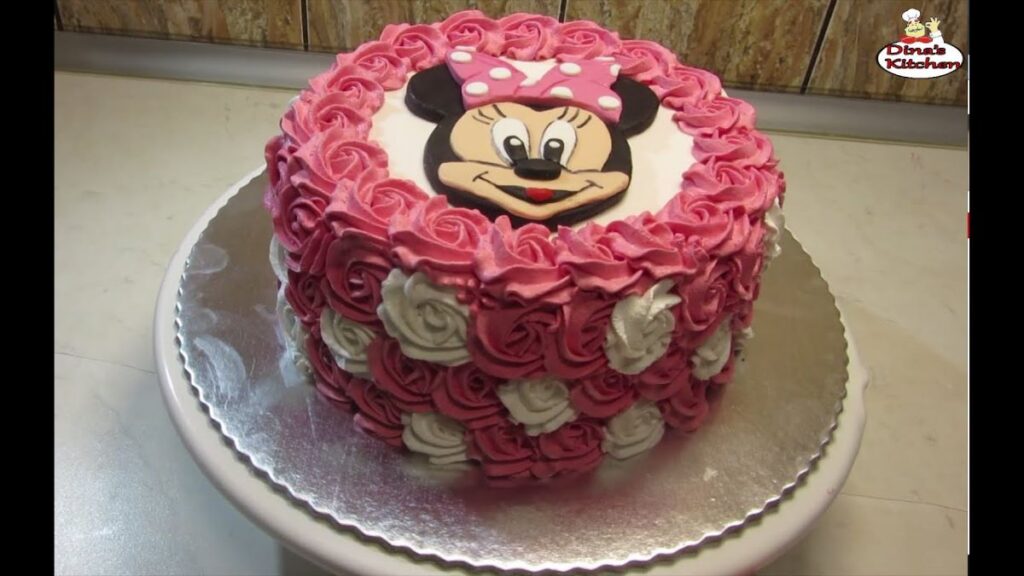
They can use this: pick a palette, choose a shape, select one premium texture, add one personal detail, and keep Minnie to two or three cues (ears, bow, dots). If each choice supports the same theme, the cake will feel unique even with basic tools and time.
FAQs (Frequently Asked Questions)
What makes a Minnie Mouse cake genuinely unique and personalised?
A Minnie Mouse cake feels unique when Minnie is a feature rather than the entire focus. Building the design around a clear concept that reflects the person, party theme, and thoughtful details—such as a fresh twist in colour palette, shape, or texture—makes the cake personal without added complexity.
How can I incorporate party details into my Minnie Mouse cake design?
Steal elements from the party invitation, outfit, or room styling to make the cake feel cohesive with the event. Useful details include two key colours, patterns like gingham or florals, motifs such as bows or daisies, and an overall vibe like vintage or modern. Even a favourite toy or hobby can replace generic polka dots for a personal touch.
What are some alternative colour palettes for a Minnie Mouse cake beyond traditional red and black?
You can keep Minnie recognisable by including ears, a bow, and dots while swapping out colours. Alternatives include blush and gold for softness, lilac and silver for a modern feel, sage and cream for garden themes, or monochrome with one pop colour. Repeat the new palette in at least three places on the cake to ensure it looks deliberate.
Which cake shapes help make a Minnie Mouse cake design stand out?
Choosing a different silhouette instantly customises the look. Options include tall single-tier cakes with clean sides, heart-shaped cakes, two-tier designs with smaller top tiers, number-shaped cakes topped with Minnie details, or round cakes featuring bold bow toppers that add height without extra piping.
How can I personalise my Minnie Mouse cake without making it look cluttered?
Focus on one hero element rather than multiple small add-ons. Strong personalisation options are adding the birthday name in a matching font, an age tag on the bow, an edible cameo-style image, or a small topper coordinating with the birthday outfit. Keeping sides clean and messages short maintains intentionality.
What textures and finishes elevate a Minnie Mouse cake to look more premium?
Upgrading texture instead of piling on decorations adds sophistication. Popular finishes include sharp-edge buttercream, subtle ombré effects, painted brush strokes, velvet sprays, wafer-paper ruffles, or fondant bows with stitched detailing. A single refined texture choice combined with neat edges creates a bespoke appearance.